

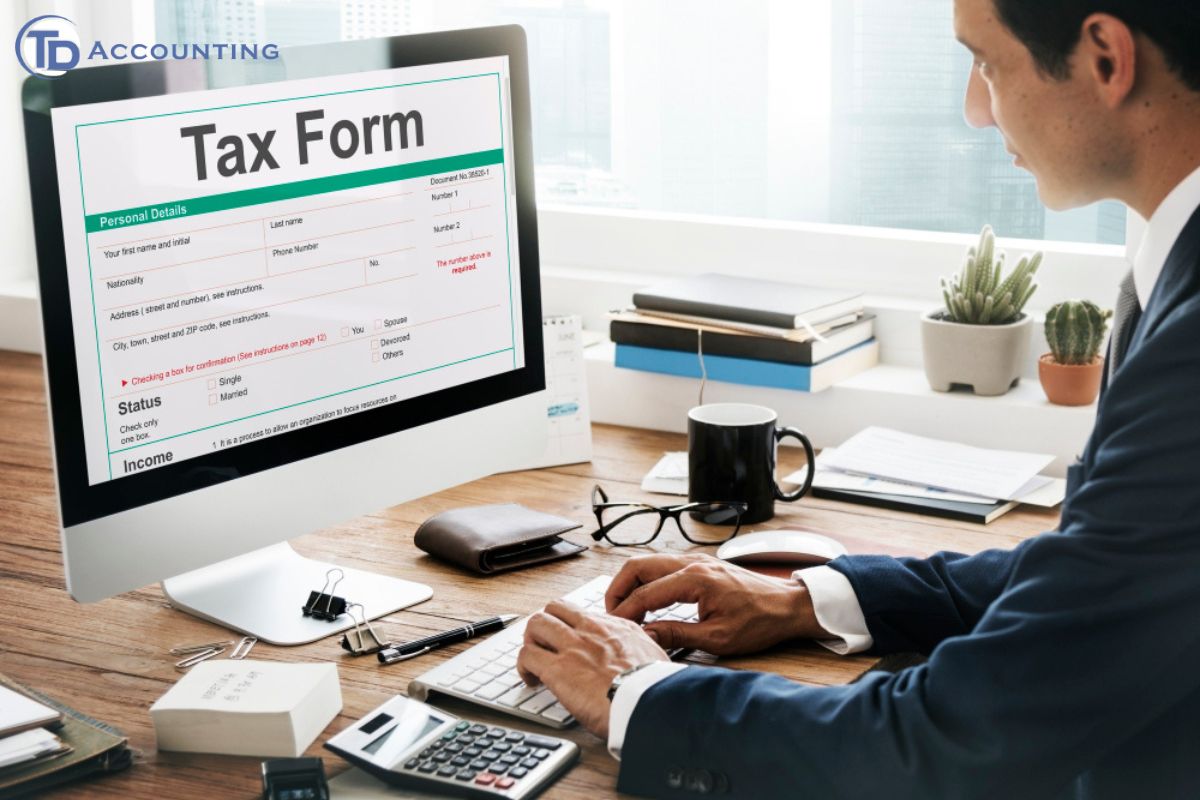
Do you want to select the right tax professional? This choice can have a major impact on your financial health. A qualified tax preparer does more than complete forms. He maintains accurate filings & find out potential savings opportunities. He can also provide guidance for future financial decisions. Still, selecting the wrong provider can create missed deductions. Then, company owners will have to face filing errors & unnecessary stress.
Don’t randomly hire a certified tax preparer Des Moines. Before taking any decision, it is important to know some mistakes taxpayers should stay away from.
1. Choosing a Tax Preparer Based Only on Price
People make a big mistake during the selection of a tax preparer. They often try to go with the lowest fees. Yes, affordability matters. Still, extremely low-cost services may not provide the expertise. These may not include personalized support for complicated tax situations.
A skilled tax professional focuses on correctness, obedience, & finding apt tax-saving chances.
2. Not Checking Credentials and Experience
Tax preparation requires knowledge of changing tax laws. Hiring someone without proper experience is never recommended. This can boost the risk of errors.
Before choosing a preparer, see-
- Professional qualifications
- Industry experience
- Tax preparation knowledge
- Previous client reviews
Working with a certified tax professional provides is a great option. People will be confident knowing that their taxes are dealt properly.
3. Ignoring Local Tax Knowledge
Tax rules & financial situations can vary. This depends on location & business needs. Selecting a local provider familiar with Des Moines taxpayers can provide extra value.
A local tax expert understands the needs of individuals & businesses in the area. He can provide more modified supervision.
4. Selecting Someone Who Does Not Offer Tax Planning Support
Many taxpayers only think about taxes during filing season. Still effective tax management demands planning 365 days a year.
Professional tax planning strategies can help with-
- Decreasing tax liabilities
- Augmenting financial decisions
- Getting ready for future costs
- Maximizing obtainable deductions
A good tax preparer should provide guidance. This must exceed just annual filing.
5. Not Asking About Available Services
Some tax preparers only provide basic filing assistance. Still, businesses & individuals may need additional support. These comprise financial planning & advisory services.
Search for providers offering-
- Specialized tax filing services
- Tax consultation
- Business tax management
- 365 days support
Selecting a provider with complete services can save time. This will also augment monetary outcomes.
6. Failing to Review Communication Practices
Clear communication is important when companies are dealing with tax matters. A preparer should be available to answer questions. He must explain tax choices.
Don’t work with providers who-
- Are difficult to call
- Do not explain recommendations
- Rush through the preparation procedure
Reliable communication ensures a finer tax experience.
7. Not Considering Data Security
Tax documents contain sensitive financial info. A professional tax preparer should have secure systems. These protect client data.
Enquire about-
- Document safety
- Data safety actions
- Safe communication ways
Shielding personal info should always be the no.1 priority.
8. Choosing a Tax Preparer Without Checking Reviews
Online reviews & client feedback can provide info into a provider’s reliability & service quality.
Before hiring a tax professional, research-
- Customer experiences
- Service reputation
- Professional approach
- Industry expertise
Positive reviews point toward steady & dependable service.
9. Avoiding Tax Consultant Services When Needed
Some taxpayers underestimate the value of professional guidance. Then, basic tax preparation may not be enough. It is especially true when your financial situation involves business income, investments, or major changes.
Professional tax consultant services provide strategic recommendations. These confirm better future monetary planning.
Why Choose My TD Accounting for Tax Services in Des Moines?
At My TD Accounting, we help individuals & businesses a lot. They can manage their tax responsibilities with confidence. Our team provides accurate tax preparation, custom guidance, and tactical solutions. Our services are planned around each client’s monetary aims.
Our services are-
- Tax set up
- Tax planning
- Accounting support
- Business monetary supervision
- Tax consulting
By working with experienced professionals, clients can reduce tax-related stress. Plus, they can make optimum monetary decisions.
Final Words
When people choose the right certified tax preparer Des Moines, they can avoid pricey errors. You will be able to perk up tax accuracy & make smarter financial decisions. The right professional provides more than tax filing. They offer guidance, planning, and all year support.
Do you want to know how our experienced tax professionals can help you manage your taxes? Then, contact My TD Accounting today
FAQs
Q. How can you tell if a tax preparer is legit?
Ans: A legitimate tax preparer should have proper credentials & a valid IRS Preparer Tax Identification Number (PTIN). He should carry relevant experience & a good reputation among clients. You can also check their qualifications & reviews. See if they provide transparent communication regarding their services & fee structures.
Q. What questions should you ask a tax preparer?
Ans: Before hiring a tax preparer, ask about their experience & qualifications. Enquire about their services offered, pricing, availability, & approach to tax planning. It is also helpful to ask if they have experience dealing with tax situations like yours.
Q. Is it common to ask your tax consultant to provide their PTIN?
Ans: Yes. Taxpayers can ask their tax consultant for their PTIN. A valid PTIN shows that the preparer is authorized by the IRS. Reputable tax professionals are clear about their certificates.
Q. What is the IRS 7-year rule?
Ans: The IRS generally recommends keeping tax records & supporting documents for at least three years. But there are some situations which require keeping records for up to seven years. The 7-year period may apply to certain case. These include certain deductions, claims for losses, or specific financial transactions. Keeping organized records supports tax filings if questions arise.